Japanese Traditions And Daily Culture
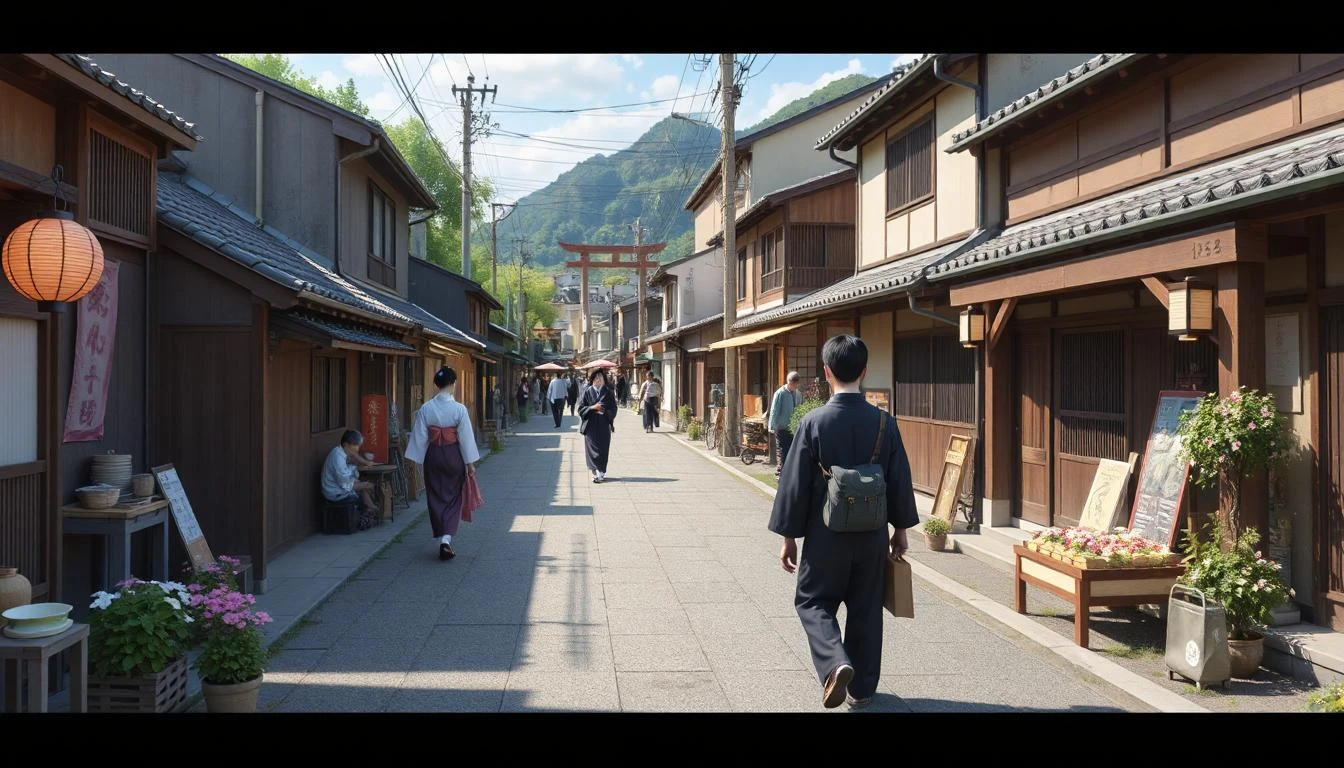
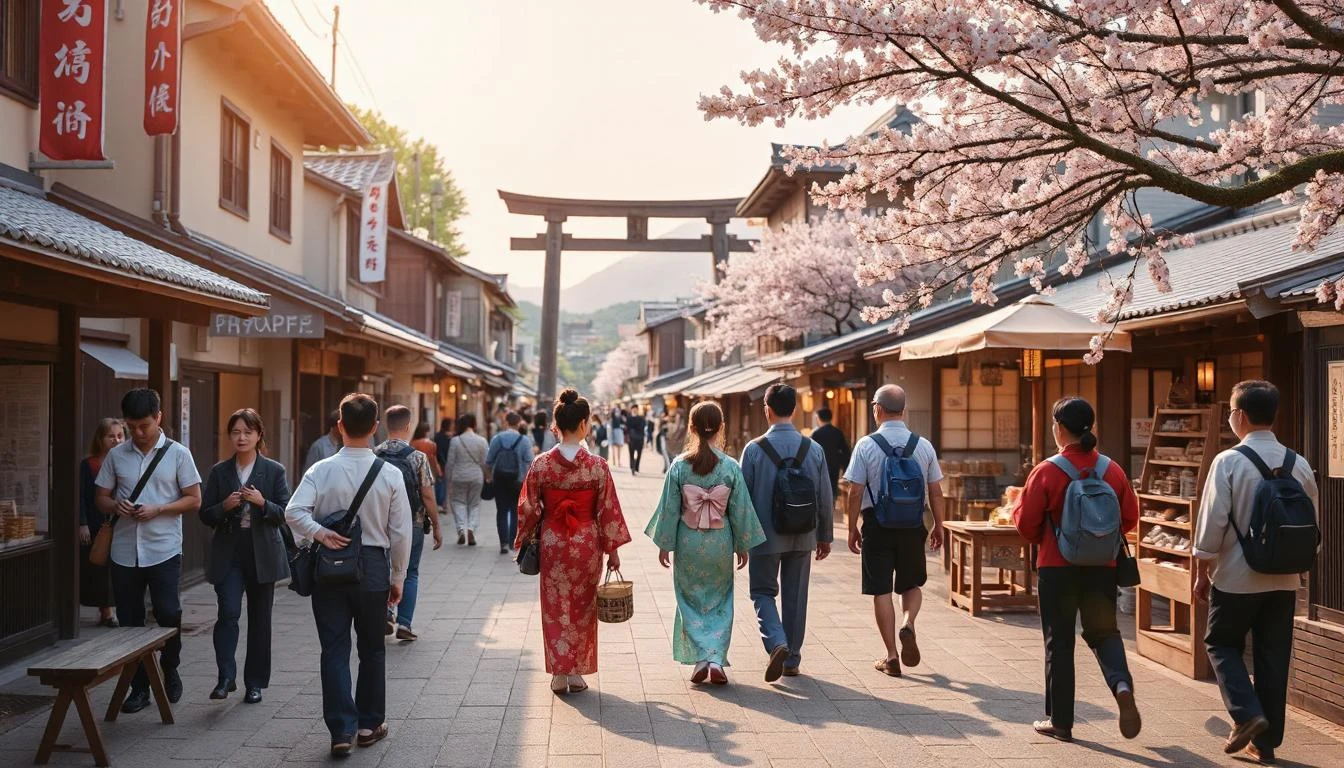
Japan has always carried an almost magnetic charm for travelers, historians, and culture enthusiasts from around the world. From peaceful shrines hidden between busy city streets to centuries-old customs still practiced inside modern homes, the country offers a rare combination of heritage and innovation that feels both timeless and alive. Every corner of Japan seems to tell a story, whether through traditional festivals, quiet tea houses, or the disciplined social etiquette that shapes everyday interactions.
What makes japanese traditions and culture truly unforgettable is the way ancient values continue influencing modern society without feeling outdated. While technology dominates daily routines in many developed countries, Japan still preserves rituals, respect, and community traditions as essential parts of life. This harmony between old and new creates an experience that feels authentic, immersive, and deeply meaningful for anyone curious about the cultural heartbeat behind modern Japan.
Understanding Traditional Japanese Culture
The cultural identity of Japan is built on principles that have been preserved for generations. Respect, discipline, harmony, and mindfulness are not simply formal concepts, but values deeply connected to the social fabric of the country. These traditions continue shaping how people communicate, celebrate, work, and even relax in their daily routines.
The rhythm of daily life in Japan reflects a society that values collective harmony over individual chaos. Visitors often notice how public spaces remain clean, transportation systems stay organized, and social interactions feel remarkably polite even in crowded urban environments. Cultural anthropologist Ruth Benedict once explained that “Japanese culture combines beauty and discipline in a way that transforms everyday behavior into a reflection of national identity.”
Importance of Respect and Social Etiquette
Respect is one of the strongest foundations within Japanese society. Bowing, speaking politely, removing shoes before entering homes, and maintaining quiet behavior in public places are considered natural parts of social interaction. These customs are not merely traditions performed for appearance, but meaningful practices that show consideration toward others.
In many situations, social etiquette becomes a silent language that helps maintain harmony. Whether inside restaurants, schools, workplaces, or train stations, people are expected to act with awareness and responsibility. This cultural discipline often leaves a strong impression on international visitors who are searching for authentic cultural experiences beyond tourism attractions.
Influence of Tradition in Modern Life
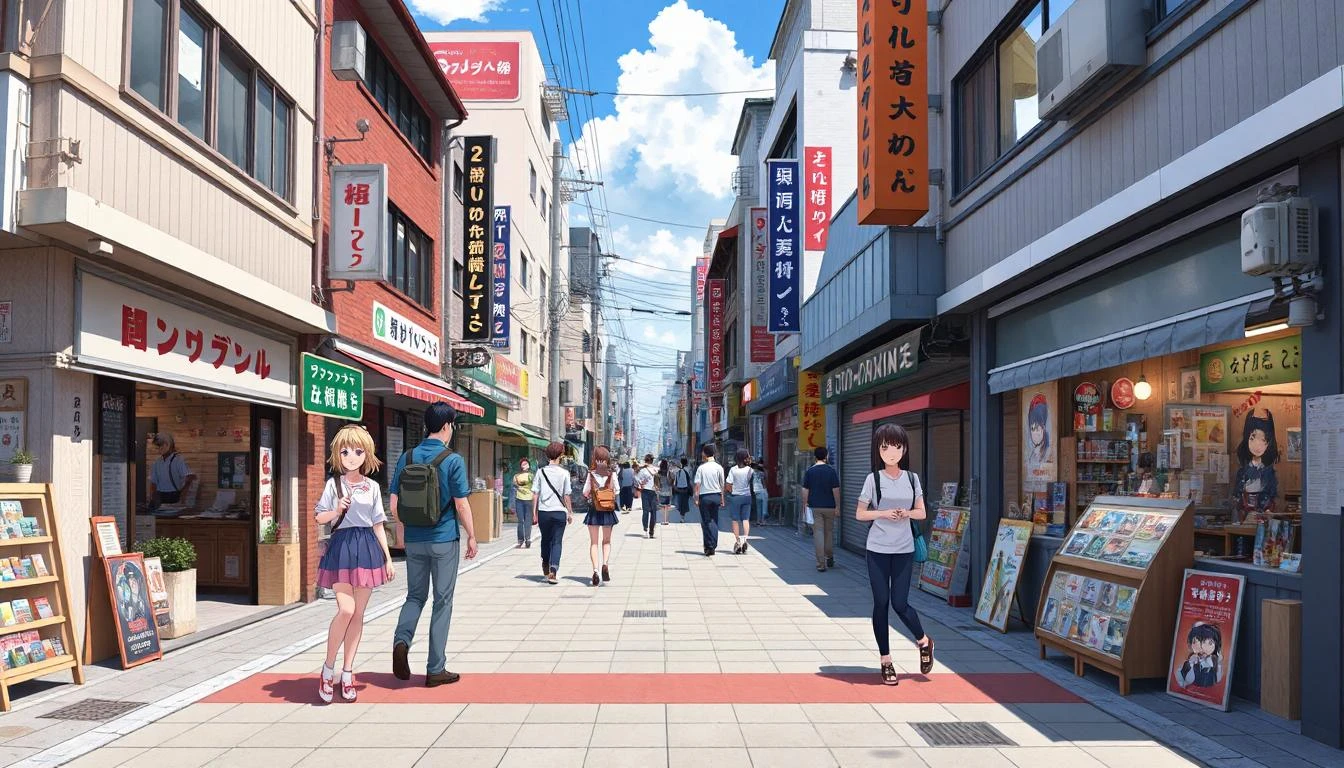
One of the most fascinating aspects of Japan is how traditional culture survives alongside rapid modernization. Ancient temples still stand beside futuristic buildings, while seasonal rituals continue being practiced by younger generations who also live highly digital lifestyles.
Many Japanese families continue celebrating traditional holidays, visiting shrines during New Year, and preserving customs connected to ancestors and seasonal changes. Sociologist Ezra Vogel once noted that Japan’s social strength comes from its ability to modernize without completely abandoning cultural continuity. That balance is one of the reasons Japanese society remains globally admired.
Daily Customs Practiced in Japan
Everyday customs in Japan often appear simple, yet they carry deep cultural meaning. Saying “itadakimasu” before meals, carefully wrapping gifts, organizing shoes neatly, and participating in community cleaning activities are examples of practices rooted in mindfulness and respect.
Seasonal awareness also plays a major role in Japanese culture. People adjust decorations, foods, and celebrations depending on the time of year, creating a stronger connection between lifestyle and nature. For many travelers, these subtle cultural details become some of the most memorable parts of visiting Japan.
Traditional Activities And Lifestyle
Traditional Japanese activities continue attracting worldwide attention because they offer more than entertainment. They provide insight into philosophy, artistry, patience, and cultural identity that have been preserved for centuries. These experiences allow visitors to understand Japan beyond the surface level.
The influence of heritage can still be seen throughout modern society, especially through festivals, fashion, and ceremonial traditions that remain actively practiced today. Rather than disappearing, many cultural activities have evolved into meaningful experiences appreciated by both locals and international visitors.
Tea Ceremonies and Cultural Practices
The Japanese tea ceremony is one of the most recognized cultural traditions in the country. Known as “chanoyu,” this ceremonial practice emphasizes harmony, purity, tranquility, and respect through carefully structured movements and rituals.
Every gesture inside the tea ceremony has symbolic meaning, from preparing the tea utensils to presenting the bowl politely to guests. Many travelers participate in tea ceremonies to experience a calmer and more mindful side of Japanese culture that contrasts sharply with the fast pace of modern cities.
Seasonal Festivals and Celebrations
Seasonal festivals remain deeply connected to Japanese identity. Events such as cherry blossom celebrations in spring, lantern festivals in summer, and snow festivals during winter continue bringing communities together across the country.
Popular festivals like Gion Matsuri and Sapporo Snow Festival attract millions of visitors because they combine history, spirituality, traditional music, local food, and artistic performances into unforgettable cultural experiences.
Traditional Clothing and Fashion Culture
Traditional Japanese clothing continues influencing modern fashion around the world. Garments such as kimono, yukata, and hakama remain important during festivals, ceremonies, and formal events.
Interestingly, younger generations have also started blending traditional elements with contemporary fashion styles. Areas like Harajuku showcase how historical aesthetics continue inspiring modern creativity while keeping cultural identity alive.
Modern Life Influenced By Tradition
Japan is often associated with advanced technology, robotics, and futuristic innovation. However, beneath that modern image lies a society still strongly connected to heritage and traditional values that continue influencing everyday life.
This balance between innovation and tradition creates a unique cultural atmosphere rarely found elsewhere. People can experience ancient rituals in the morning and cutting-edge technology in the afternoon without feeling any contradiction between the two worlds.
Balance Between Technology and Heritage
Japan demonstrates that modernization does not always require abandoning cultural identity. Ancient temples still operate peacefully beside high-tech business districts, while traditional inns continue thriving even in highly developed cities.
Many companies also incorporate cultural traditions into professional environments through seasonal celebrations, respectful communication styles, and ceremonial business practices. This coexistence between technology and heritage is one of the reasons Japan feels both futuristic and deeply historical at the same time.
Community Values in Daily Living
Community values remain central within Japanese society. Cooperation, responsibility, and social awareness are taught from an early age, creating strong neighborhood connections and highly organized public environments.
People often participate in local festivals, volunteer programs, and community cleaning activities together. This collective mindset helps maintain harmony and reinforces the cultural belief that public spaces should be respected equally by everyone.
Food Culture and Dining Etiquette
Japanese food culture is not only about flavor but also presentation, balance, and respect for ingredients. Meals are often prepared with careful attention to detail, seasonal freshness, and visual harmony.
Dining etiquette also plays an important role in social interactions. Proper chopstick usage, gratitude before meals, and avoiding food waste are considered meaningful expressions of respect. Traditional dishes such as Sushi, Ramen, and Tempura continue representing the richness of Japanese culinary culture around the world.
Explore The Beauty Of Japanese Traditions And Culture
The deeper people explore Japan, the more they realize that its greatest beauty often exists within the smallest details. Quiet respect in public places, seasonal celebrations, carefully preserved customs, and meaningful daily rituals all contribute to a cultural atmosphere that feels authentic and emotionally memorable.
For travelers searching for experiences beyond ordinary tourism, understanding Japanese traditions can completely transform the journey. Instead of only visiting famous landmarks, you begin noticing the philosophy hidden inside everyday life itself. That deeper perspective often becomes the reason many visitors feel connected to Japan long after returning home.