Anime Culture And Japanese Influence
Anime has grown into something far bigger than animated entertainment. Across different countries and generations, people are connecting through stories filled with emotion, imagination, and cultural depth that feel surprisingly personal. From fashion trends and music playlists to travel destinations and digital communities, anime continues shaping modern culture in ways many people never expected. What makes it even more fascinating is how these stories often introduce audiences to hidden parts of Japanese traditions, lifestyles, and social values without feeling forced or overly educational.
Today, anime culture influence can be seen almost everywhere, especially among younger audiences searching for meaningful entertainment that feels visually unique and emotionally authentic. Viewers are no longer just watching anime casually after school or on weekends. Many are exploring Japanese culture through food, travel, art, language learning, and even daily lifestyle habits inspired by their favorite series. As film critic Roger Ebert once explained, “Animation is not a genre, but an art form,” and anime proves that statement perfectly through its ability to blend storytelling, culture, and emotional connection into one unforgettable experience.
Rise of Anime in Global Culture
The global rise of anime did not happen overnight. It grew steadily through television broadcasts, online communities, streaming platforms, and passionate fanbases who introduced these stories to wider audiences around the world. What once felt niche has now become part of mainstream entertainment culture, influencing everything from gaming and fashion to music and tourism.
In recent years, japanese anime trends have become increasingly visible in global pop culture. Anime-inspired clothing collections, themed cafés, fan conventions, and viral social media edits continue attracting millions of people who want more than ordinary entertainment. This growing popularity also reflects how audiences today are searching for stories with emotional depth, creative visuals, and memorable characters that stay with them long after the screen fades to black.
History and evolution of anime
Anime history dates back to early Japanese animation experiments in the 1900s, but its worldwide popularity accelerated during the late twentieth century. Legendary productions like Dragon Ball Z and Spirited Away introduced international audiences to storytelling styles that felt dramatically different from Western cartoons. Instead of relying only on comedy, anime explored grief, ambition, friendship, sacrifice, and personal growth with remarkable emotional intensity.
As technology evolved, anime studios also transformed their visual approach. Traditional hand-drawn animation merged with digital techniques, allowing creators to produce cinematic scenes filled with intricate detail and breathtaking atmosphere. Today, anime is streamed globally within minutes of release, making international fandoms stronger and more connected than ever before.
Popular anime genres worldwide
One of anime’s greatest strengths is its enormous variety of genres. No matter someone’s age or interests, there is usually an anime series that feels relatable and engaging. Some viewers enjoy action-heavy adventures, while others prefer emotional slice-of-life stories or mysterious psychological thrillers.
Genres like shonen, romance, fantasy, horror, and science fiction continue dominating global streaming platforms because they offer experiences that feel immersive and emotionally rich. This diversity allows anime to attract audiences from different cultural backgrounds while still maintaining its distinctive Japanese storytelling identity.
Influence of anime on entertainment
Anime has deeply influenced modern entertainment industries around the world. Filmmakers, musicians, fashion designers, and game developers often borrow visual styles and storytelling techniques inspired by Japanese animation. Dynamic camera angles, emotional pacing, expressive characters, and detailed world-building now appear in countless movies and video games outside Japan.
Streaming services have also accelerated anime’s reach globally. Platforms like Netflix and Crunchyroll continue investing heavily in anime because audience demand keeps increasing every year. Director Hayao Miyazaki once said that “stories have the power to overcome fear,” and many anime series succeed because they connect emotionally with viewers facing real-life struggles, uncertainty, and change.
Japanese Culture Reflected In Anime
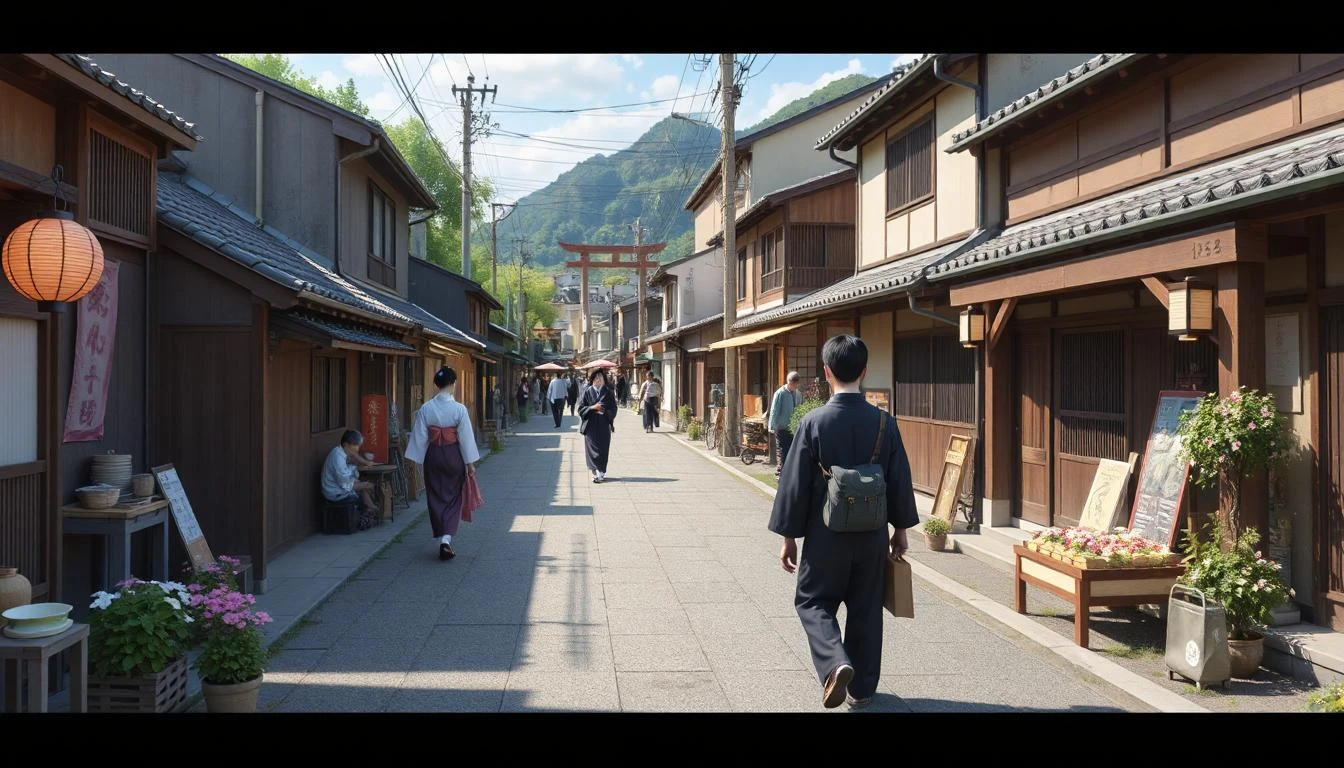
Beyond entertainment value, anime often acts as a cultural gateway into Japan itself. Many viewers begin watching for exciting battles or emotional drama, but eventually become curious about Japanese customs, festivals, traditions, and daily life shown naturally within these stories. That cultural curiosity is one reason anime continues building such strong global influence.
Anime frequently reflects aspects of Japanese society that international audiences may rarely encounter elsewhere. Through small details like school traditions, seasonal celebrations, respect toward elders, and quiet moments of reflection, viewers gain subtle insight into cultural values that shape everyday life in Japan.
Traditional values shown in anime stories
Many anime narratives emphasize perseverance, humility, teamwork, discipline, and personal responsibility. These themes often mirror traditional Japanese values and social expectations. Characters rarely succeed instantly. Instead, they struggle, fail, learn, and slowly improve through persistence and emotional growth.
This storytelling approach resonates strongly with audiences because it feels realistic and inspiring at the same time. Rather than glorifying perfection, anime often highlights resilience and self-discovery, making characters feel deeply human despite fantastical settings.
Japanese fashion and lifestyle influence
Anime has become a major force in global fashion and lifestyle culture. Hairstyles, oversized streetwear, layered outfits, accessories, and colorful aesthetics inspired by anime now appear across social media and international fashion scenes. Areas like Harajuku have become famous worldwide for their creative youth fashion and experimental style culture.
The influence goes beyond clothing alone. Anime aesthetics also shape room decoration, photography styles, café concepts, and even online communication trends. Many fans begin adopting small lifestyle elements connected to Japanese culture because anime makes those details feel approachable and emotionally meaningful.
Cultural symbolism in anime characters
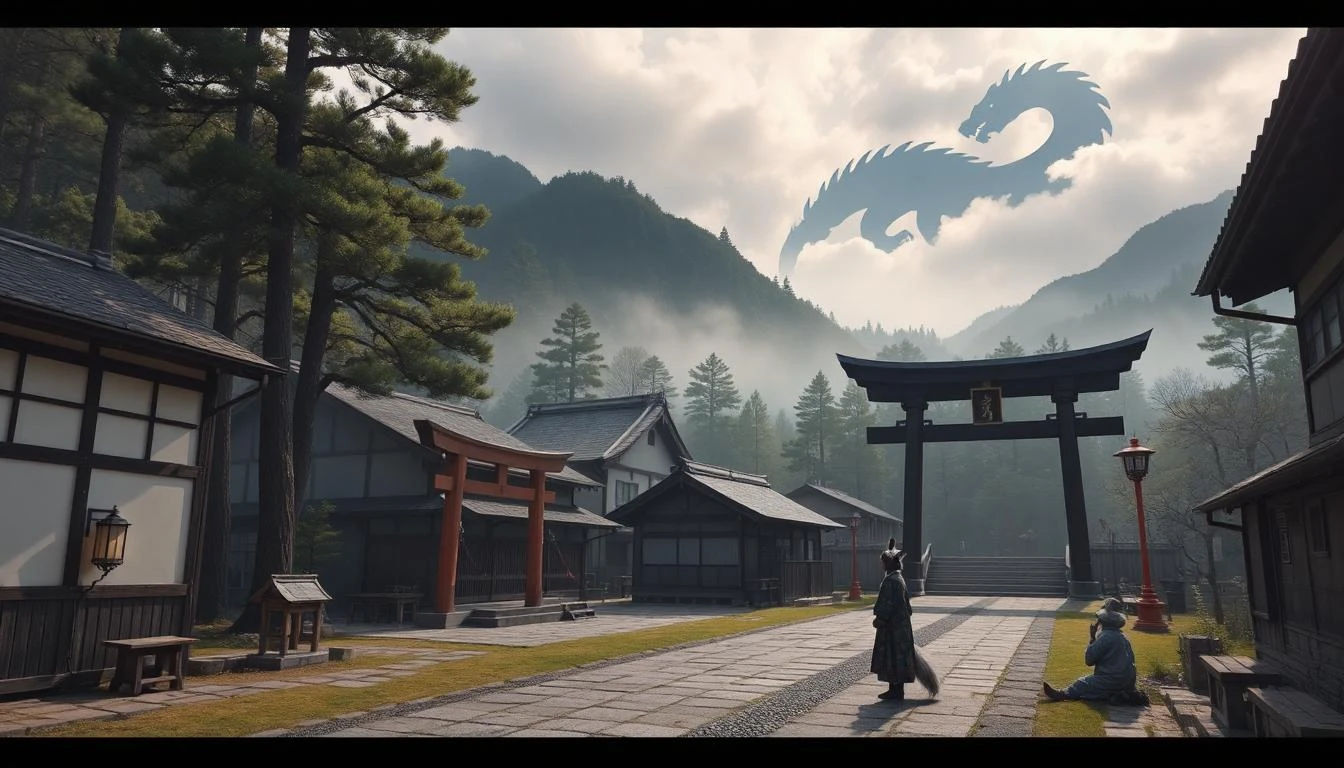
Anime often includes symbolic references rooted in Japanese folklore, religion, and philosophy. Cherry blossoms may symbolize the temporary beauty of life, while fox spirits, dragons, or shrine imagery connect directly to traditional legends and spiritual beliefs.
These cultural symbols add hidden layers of meaning that make anime more engaging over time. Viewers who revisit certain series frequently notice details they missed before, creating deeper appreciation for the storytelling and artistic craftsmanship behind each production.
Global Impact Of Anime Culture
Anime is no longer limited by geography. What started in Japan has now become a worldwide cultural movement connecting millions of fans through creativity, emotion, and shared passion. Online communities, international events, and social media platforms continue expanding anime’s influence far beyond television screens.
As anime grows globally, it also changes how people interact with entertainment itself. Fans are no longer passive viewers. They actively create fan art, cosplay, music remixes, discussions, and travel experiences inspired by the stories they love most.
Anime communities and fandoms
Anime fandoms have become some of the most passionate online communities in modern entertainment culture. Fans gather through conventions, Discord groups, streaming chats, and social media platforms to discuss theories, recommend series, and share creative projects.
Events like Anime Expo and Comiket attract massive audiences every year because they create spaces where fans can celebrate shared interests openly and creatively. These communities also encourage cultural exchange between people from completely different backgrounds.
Influence on music and art trends
Anime has significantly shaped modern music and digital art trends. Anime openings and soundtracks regularly dominate playlists online, while Japanese artists gain international recognition through collaborations connected to popular series.
Visual artists around the world also adopt anime-inspired techniques in illustration, animation, and character design. Platforms like YouTube and Spotify continue helping anime music and art reach wider audiences every year, making anime culture feel increasingly mainstream rather than niche.
Anime tourism and cultural experiences
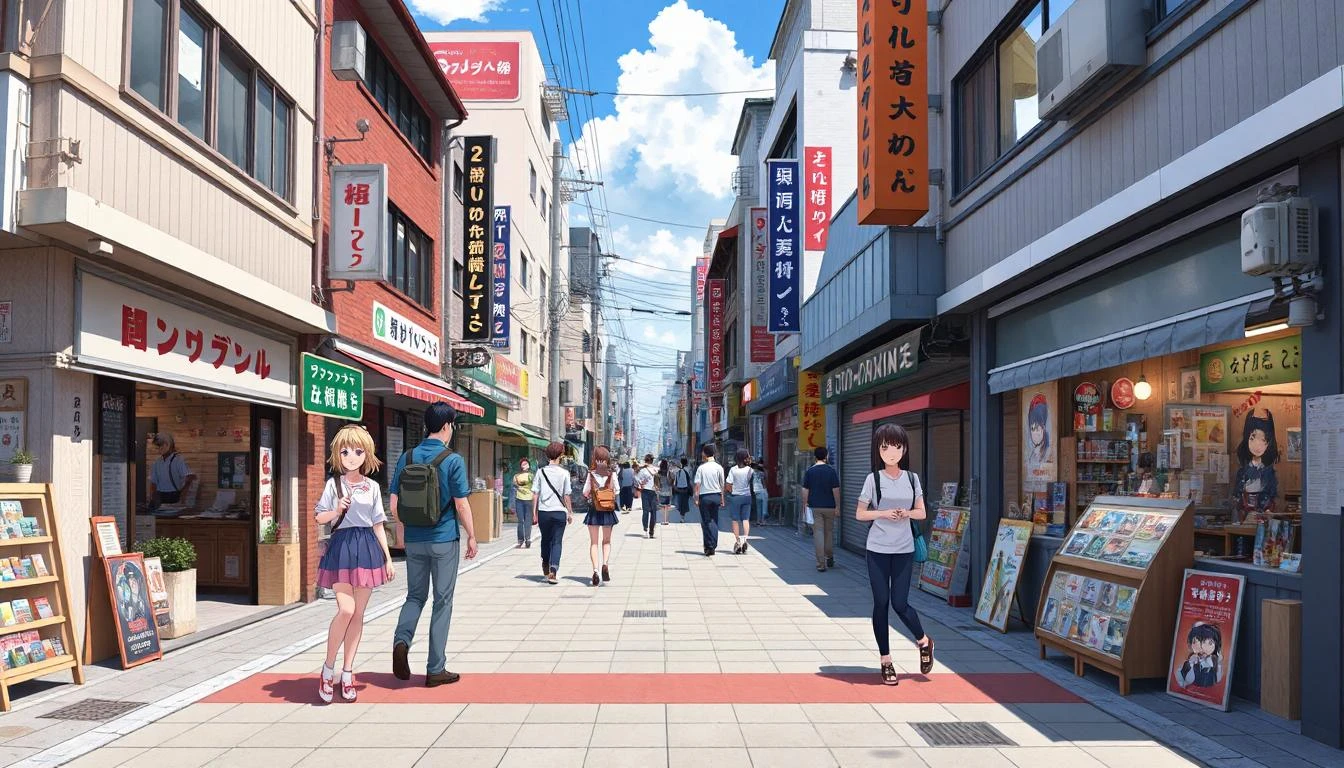
Anime tourism has become one of the most interesting modern travel trends. Fans travel to Japan specifically to visit anime-inspired locations, themed cafés, gaming districts, museums, and real-world places featured in famous series. Areas such as Akihabara attract visitors who want immersive cultural experiences connected to anime and gaming culture.
For many travelers, anime becomes the starting point for discovering Japanese history, local food, traditional festivals, and regional attractions they might never have explored otherwise. This connection between entertainment and tourism continues growing stronger every year as more fans seek authentic cultural experiences.
Discover The Worldwide Influence Of Anime Culture
Anime continues influencing global culture because it offers something many modern audiences crave deeply: emotional storytelling combined with artistic originality and cultural richness. Its impact now stretches far beyond entertainment, shaping fashion, music, digital creativity, travel trends, and even the way online communities interact across different countries.
What makes anime truly powerful is how it encourages curiosity. A single series can inspire someone to learn Japanese phrases, explore traditional customs, visit hidden travel destinations, or connect with people from completely different parts of the world. In many ways, anime has become a bridge between cultures, allowing audiences to experience stories that feel both personal and universal at the same time.