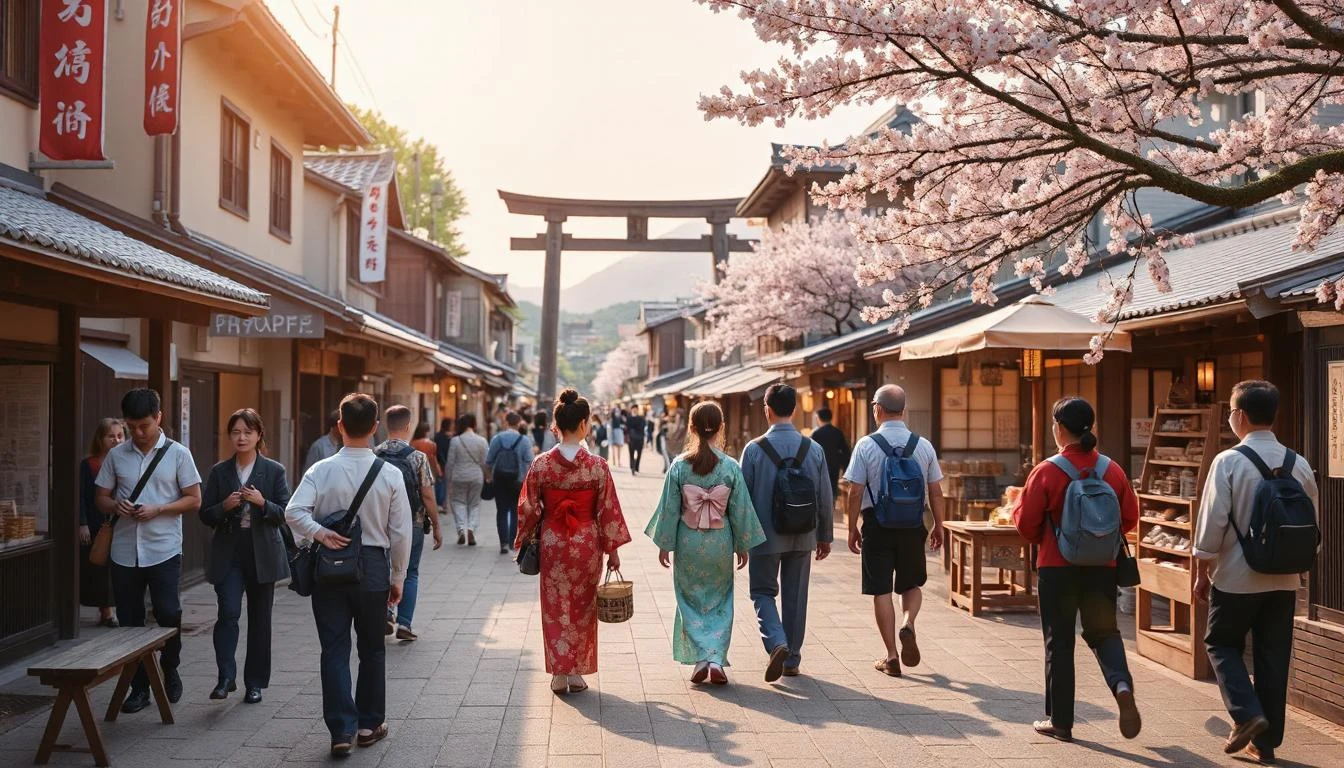
Japanese Cultural Stories And Legends
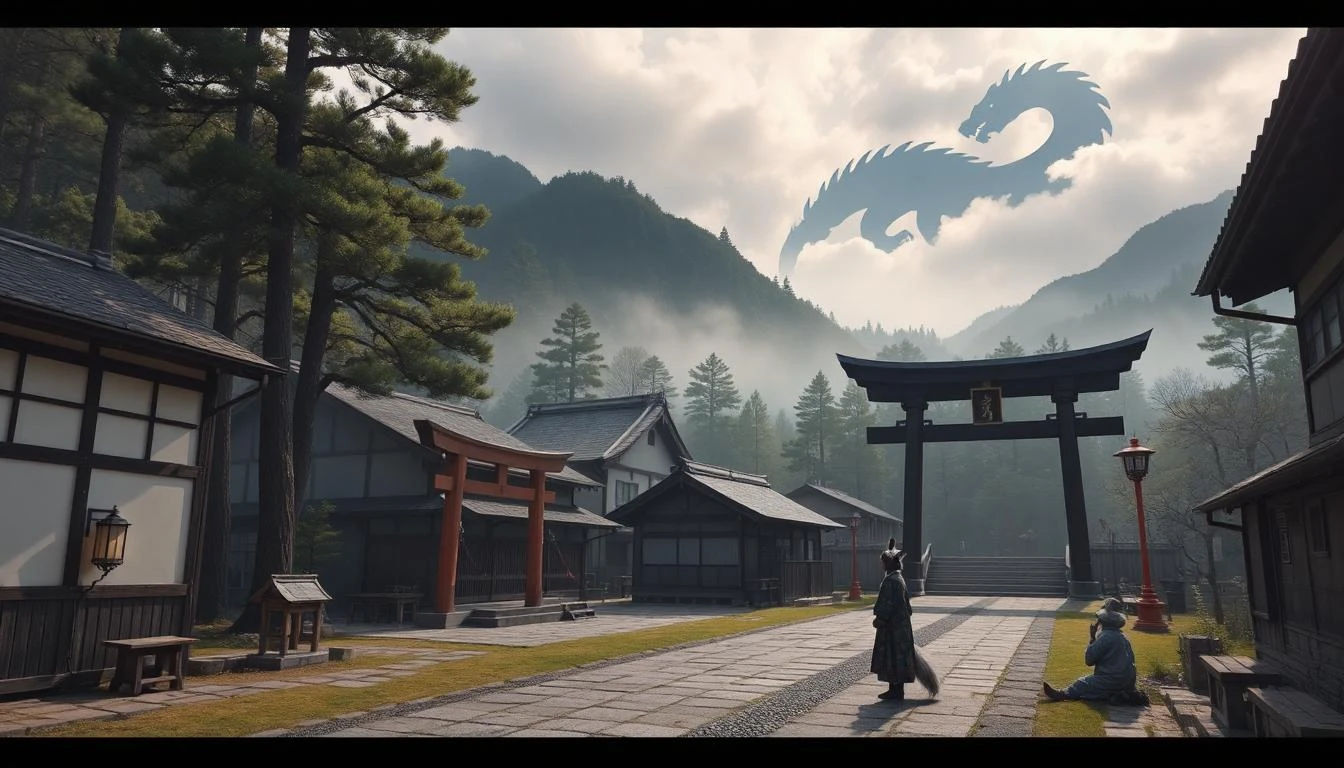
Ancient shrines hidden between misty mountains, abandoned villages wrapped in silence, and lantern-lit alleyways in old Kyoto still carry stories that refuse to disappear. Japan is not only known for its modern cities and futuristic lifestyle, but also for timeless legends passed down through generations. Behind every temple gate and sacred forest, there are tales filled with mystery, spiritual beliefs, heroic sacrifice, and supernatural encounters that continue to fascinate travelers from around the world.
For readers searching for deeper cultural experiences, japanese cultural stories offer far more than entertainment. These narratives reveal how Japanese society preserved wisdom, traditions, and emotional values through folklore that still influences tourism, anime, literature, and modern media today. Whether someone is exploring hidden destinations in Japan or simply curious about the meaning behind ancient myths, these stories create a bridge between history, spirituality, and everyday life in modern Japan.
Introduction to Japanese Folklore
Long before digital entertainment existed, storytelling became one of the strongest cultural foundations in Japan. Stories were used to explain natural disasters, spiritual beliefs, morality, and even the mysterious events people could not understand at the time. That is why Japanese folklore feels deeply connected to real places, historical moments, and traditional customs rather than fictional fantasy alone.
Today, interest in japanese folklore legends continues growing globally because people want authentic cultural experiences that feel meaningful and immersive. From traditional festivals to haunted shrines and yokai museums, these stories continue attracting travelers who are looking for hidden cultural treasures beyond ordinary tourist attractions.
Origins of traditional Japanese legends
The origins of Japanese legends can be traced back to early Shinto beliefs and Buddhist influences that shaped Japanese society centuries ago. Mountains, rivers, forests, and even unusual weather phenomena were believed to contain spiritual forces known as kami. Communities created stories to explain these unseen powers and to teach people how to live respectfully alongside nature.
Ancient texts such as the Kojiki and Nihon Shoki became important historical records preserving myths about gods, emperors, and supernatural beings. Many historians believe these stories helped unify cultural identity during Japan’s early formation as a nation. Folklorist Kunio Yanagita once explained that folklore represents “the living memory of ordinary people,” showing how local traditions and oral storytelling shaped Japan long before modern communication existed.
Importance of storytelling in culture
Storytelling in Japan has always served a deeper purpose than simple entertainment. Families used folktales to teach children moral lessons, respect for elders, courage, patience, and emotional awareness. In many rural communities, these stories were shared during seasonal gatherings, festivals, and traditional ceremonies.
Even today, travelers visiting historical villages in Japan often discover local guides sharing stories connected to nearby temples, sacred forests, or abandoned locations believed to hold spiritual significance. This creates a unique cultural experience where history and imagination blend naturally together. Japanese storytelling also reflects the country’s strong appreciation for atmosphere and emotion. Instead of focusing only on action, many traditional tales emphasize silence, regret, beauty, loneliness, and human connection with nature.
Mythical creatures in Japanese folklore
One of the most fascinating parts of Japanese folklore is the existence of yokai, supernatural creatures believed to inhabit forests, rivers, mountains, and even everyday objects. Some yokai are playful tricksters, while others are feared as dangerous spirits connected to curses or death.
The Kitsune, a mystical fox spirit, is one of the most famous figures in Japanese mythology. Often associated with intelligence and illusion, Kitsune legends remain popular in anime, games, and modern storytelling. Another well-known creature is the Kappa, a river spirit said to lure careless travelers near water.
These mythical beings continue influencing Japan’s tourism industry today. Many travelers specifically search for hidden folklore destinations and supernatural legends connected to local culture because they offer experiences that feel mysterious, immersive, and unforgettable.
Famous Japanese Legends And Tales
Japanese legends remain powerful because they combine emotional storytelling, historical events, and spiritual symbolism into narratives that still feel relevant today. Some stories focus on loyalty and honor, while others explore fear, revenge, loss, and redemption through supernatural themes that continue captivating modern audiences.
The enduring popularity of these legends can also be seen in anime, movies, theater performances, and even travel destinations inspired by ancient folklore. This cultural continuity is one reason Japanese storytelling continues attracting global attention across generations.
Samurai stories and historical heroes
Samurai legends are among the most iconic stories in Japanese culture. These narratives often highlight loyalty, discipline, sacrifice, and personal honor, values that shaped the ethical code of feudal Japan for centuries.
One of the most famous examples is the story of the Forty-Seven Ronin, masterless samurai who avenged their lord despite knowing they would eventually face execution themselves. Their story became a national symbol of loyalty and courage that continues inspiring books, films, and cultural discussions today. Many travelers interested in samurai heritage visit places such as Ako Castle and Sengaku-ji Temple to learn more about these historical legends directly from preserved cultural sites connected to the original events.
Ghost stories and supernatural myths
Japanese ghost stories, often called kaidan, are known for their eerie emotional atmosphere rather than excessive horror. These tales frequently explore betrayal, sadness, jealousy, or unfinished emotions that transform spirits into supernatural beings seeking revenge or closure.
One legendary figure is Oiwa from Yotsuya Kaidan, considered one of Japan’s most terrifying ghost stories. Her tragic transformation into a vengeful spirit symbolizes emotional suffering and injustice. Even modern theater actors sometimes perform purification rituals before reenacting the story because of long-standing superstitions surrounding the legend. Author Lafcadio Hearn once wrote that Japanese ghost stories reveal “the emotional shadows hidden beneath ordinary life,” highlighting how deeply these supernatural tales connect with human psychology and cultural fears.
Folktales passed through generations
Traditional folktales such as Momotaro, Princess Kaguya, and Urashima Taro remain important parts of Japanese childhood culture. These stories continue being taught because they contain timeless messages about kindness, bravery, humility, and responsibility.
Interestingly, modern Japan has found creative ways to preserve these folktales through animation, museums, digital exhibitions, and cultural tourism programs. Younger audiences who first discover folklore through anime or games often become interested in learning about the original legends behind those inspirations.
This balance between preserving tradition and adapting to modern entertainment helps Japanese folklore remain culturally relevant while continuing to attract international curiosity.
Cultural Meaning Behind Japanese Stories
Behind every legendary hero, wandering spirit, or mythical creature, Japanese folklore carries deeper meanings connected to spirituality, social values, and human emotion. These stories are not simply fictional entertainment. They reflect how people in Japan historically understood life, nature, morality, and the invisible forces surrounding the world.
That deeper symbolism is exactly why many readers and travelers become emotionally attached to Japanese legends. The stories feel personal, reflective, and surprisingly relatable even centuries after they were first created.
Moral lessons in traditional tales
Many Japanese legends teach important moral lessons through symbolic storytelling. Characters who act selfishly, dishonestly, or arrogantly often face spiritual consequences, while those who show kindness and humility receive protection or blessings.
These themes reflect the strong cultural importance of harmony, respect, and emotional awareness in Japanese society. Even modern audiences can still relate to these messages because they address universal human experiences such as greed, loyalty, fear, love, and regret. This is one reason why traditional Japanese stories continue resonating globally despite cultural differences. The emotional core behind the legends remains timeless.
Symbolism in Japanese mythology
Japanese mythology frequently uses symbolic imagery connected to nature and spirituality. Foxes symbolize intelligence and transformation, cranes represent longevity and hope, while cherry blossoms reflect the temporary beauty of life.
These symbols appear everywhere in Japanese culture, from traditional paintings and poetry to architecture and seasonal festivals. Understanding these meanings allows travelers and readers to experience Japan from a deeper cultural perspective rather than only seeing famous landmarks on the surface. Many hidden shrines and rural villages also preserve rituals connected to these symbolic beliefs, creating unforgettable experiences for visitors seeking authentic cultural immersion.
Influence of legends on modern media
Modern anime, films, manga, and video games continue drawing inspiration from Japanese folklore and mythology. Supernatural creatures, spiritual themes, and legendary heroes frequently appear in globally popular entertainment because these stories already contain strong emotional depth and imaginative worldbuilding.
Directors such as Hayao Miyazaki helped introduce Japanese folklore elements to international audiences through visually rich storytelling inspired by nature, spirits, and traditional legends. As global audiences become increasingly interested in Japanese culture, folklore tourism and mythology-based entertainment continue growing together. Ancient legends that once survived through oral storytelling are now reaching millions of people worldwide through modern digital platforms.
Explore The Fascinating Legends Of Japanese Culture
The true beauty of Japanese legends lies in how they connect the past with the present. A quiet forest path, an old countryside shrine, or a forgotten mountain village can suddenly feel alive once you understand the stories hidden behind them. These legends transform ordinary places into meaningful cultural experiences filled with mystery, emotion, and historical depth.
As you explore more about Japanese folklore, you may start realizing that the most unforgettable journeys are often shaped not only by destinations, but by the stories attached to them. And sometimes, the legends whispered through ancient temples and lantern-lit streets reveal far more about Japan than any modern travel guide ever could.