Cultural Travel Experiences In Japan
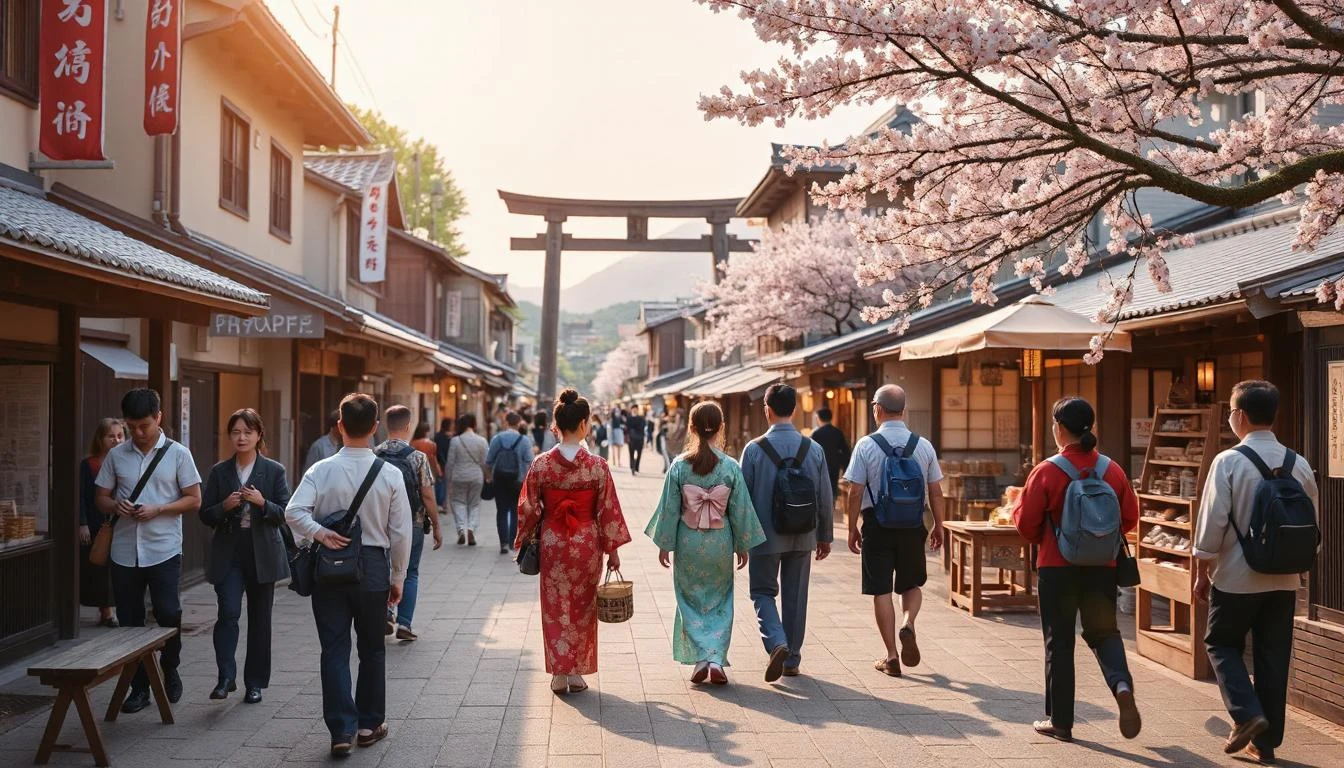
Japan always feels like a country that quietly pulls people back for another visit. One moment you are standing beneath glowing neon lights in Tokyo, and the next you find yourself walking through silent bamboo forests, hearing temple bells echo across ancient streets. That contrast is exactly what makes Japan unforgettable. Every corner seems to hold a story, whether it comes from centuries-old traditions, local communities, or hidden cultural rituals that many travelers never fully experience.
What makes japan cultural travel increasingly popular today is the growing desire for journeys that feel meaningful instead of rushed. Travelers are no longer satisfied with simply taking photos at famous landmarks. They want to understand how Japanese traditions survive in modern life, why local customs are still respected so deeply, and how cultural experiences can completely change the way someone sees a destination. As travel writer Pico Iyer once explained, “Japan is a place where the ancient world and the future exist comfortably side by side,” and that balance continues to fascinate travelers from around the world.
Discovering Japan Through Cultural Travel
There is a different kind of excitement when exploring Japan through its culture instead of only through tourist attractions. Cultural travel creates emotional connections because it allows visitors to experience traditions directly, interact with local communities, and understand the philosophy behind everyday Japanese life. This approach transforms an ordinary vacation into something more personal and memorable.
Many travelers searching for traditional travel experiences japan now prefer authentic moments over crowded sightseeing routes. Instead of spending entire days inside shopping districts, visitors increasingly choose countryside villages, cultural workshops, local festivals, and traditional accommodations where they can feel closer to the real atmosphere of Japan.
Importance of cultural tourism in Japan
Cultural tourism plays a major role in preserving Japan’s identity. Many local communities depend on travelers who appreciate traditional arts, historic architecture, and regional customs. When visitors participate in cultural activities, they indirectly help protect ancient practices that could disappear over time.
This form of travel also creates deeper understanding between cultures. Travelers learn not only about famous Japanese traditions, but also about values such as respect, discipline, harmony, and mindfulness that shape everyday interactions throughout the country. These experiences often leave stronger memories than modern attractions because they feel emotionally genuine.
Traditional experiences for travelers
Japan offers countless traditional experiences that make travelers feel immersed in history rather than simply observing it from a distance. Wearing kimono in Kyoto, staying inside centuries-old wooden inns, or watching craftsmen create handmade pottery allows visitors to experience living traditions firsthand.
Tea ceremonies, calligraphy classes, and samurai workshops have also become increasingly popular among international visitors looking for authentic cultural immersion. These activities offer more than entertainment because they reveal the patience, precision, and philosophy deeply rooted within Japanese culture. Travel trends also show growing interest in long-tail searches such as best authentic cultural activities in Japan and traditional Japanese experiences for first-time travelers, proving that modern tourists now prioritize meaningful experiences over ordinary sightseeing.
Exploring local communities and customs
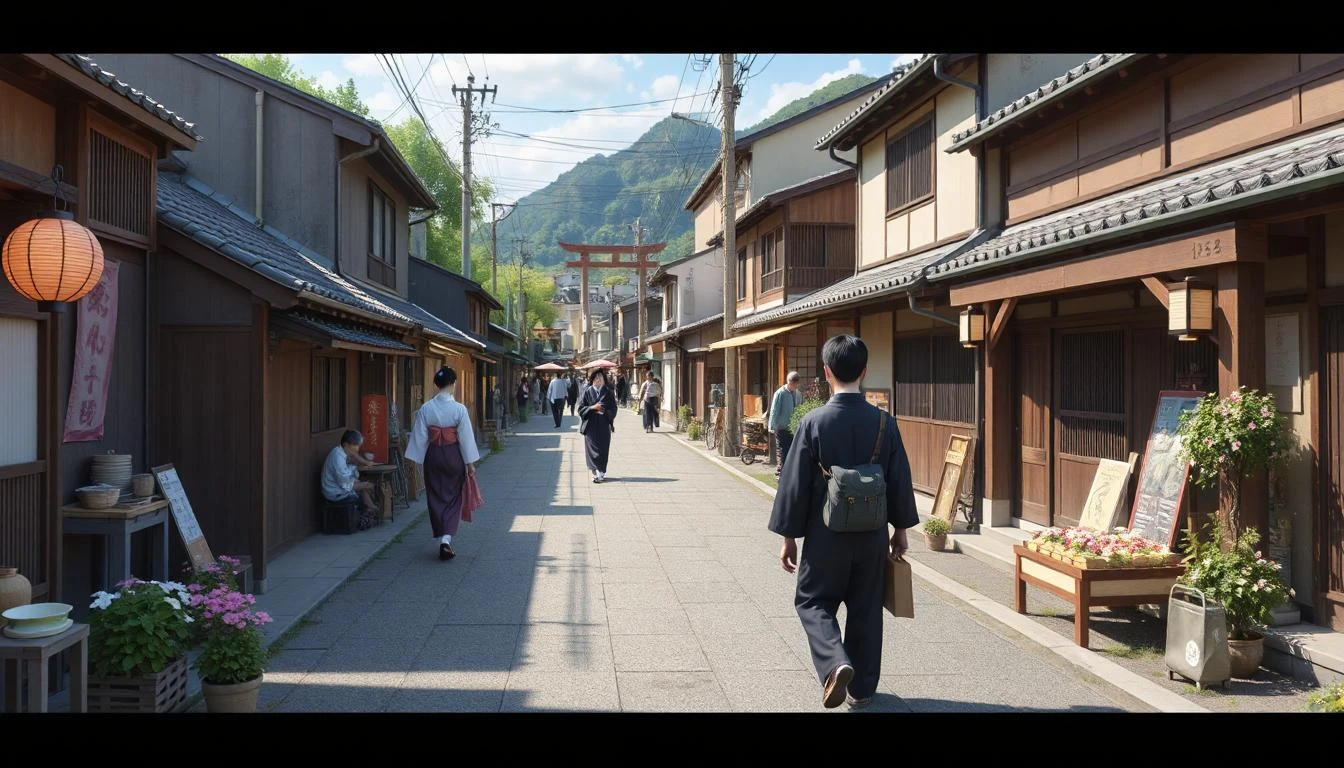
Some of the most unforgettable moments in Japan happen far away from major tourist crowds. Small towns and rural villages often preserve traditions that have remained unchanged for generations. Places like Shirakawa-go, Takayama, and Ine provide travelers with opportunities to witness slower lifestyles that feel deeply connected to nature and history.
Local customs also vary between regions, which makes cultural exploration even more fascinating. In some areas, visitors may encounter traditional dance ceremonies, seasonal harvest festivals, or family-owned businesses that have operated for centuries. Cultural anthropologist Ruth Benedict once noted that Japanese society is built upon “patterns of obligation and respect,” and travelers often recognize these values immediately through daily interactions with local people.
Popular Cultural Experiences In Japan
Japan’s cultural experiences feel incredibly diverse because every region has its own identity, atmosphere, and traditions. Some experiences feel peaceful and spiritual, while others are energetic and celebratory. This balance is part of what keeps travelers emotionally connected throughout their journey.
For visitors interested in traditional travel experiences japan, exploring iconic cultural destinations often becomes the gateway toward understanding the deeper spirit of the country. Even familiar attractions begin to feel different once travelers understand the stories and customs behind them.
Visiting temples and shrines
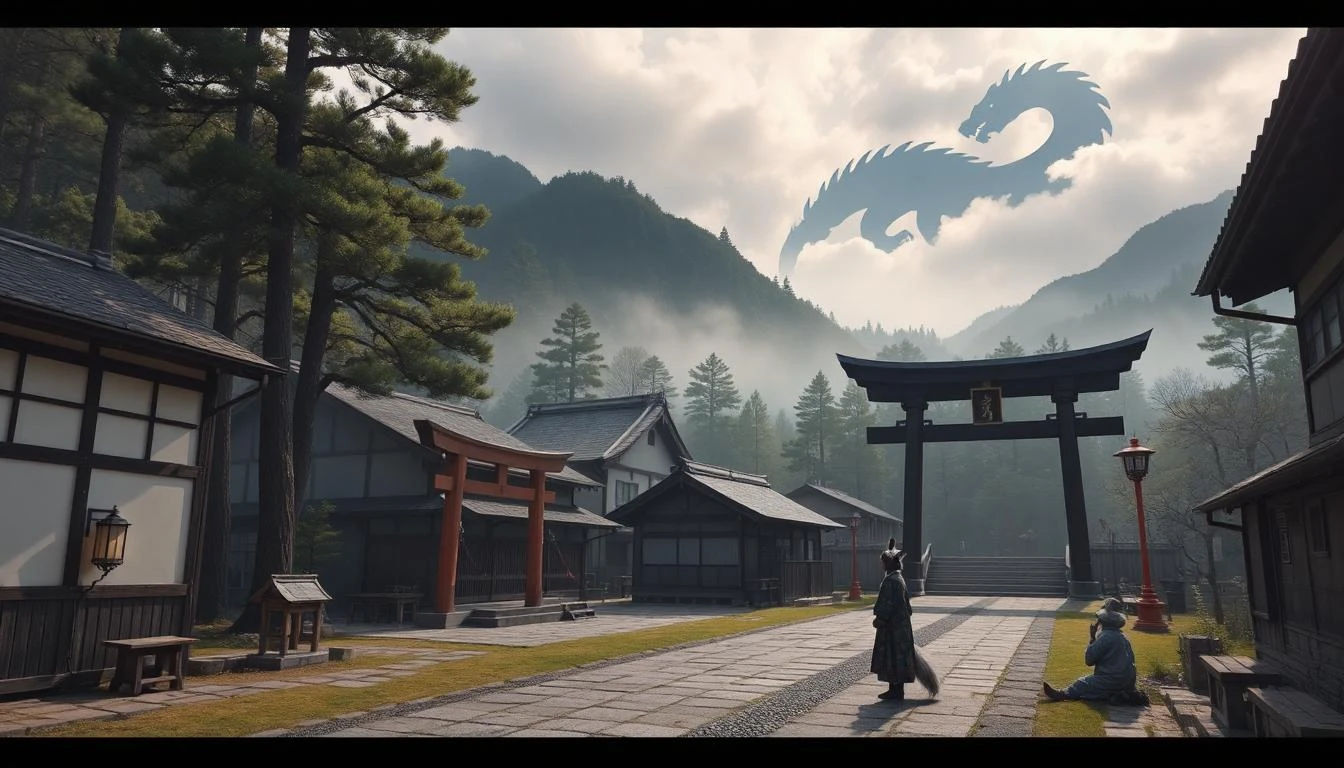
Temples and shrines remain among the most powerful cultural symbols in Japan. Beyond their architectural beauty, these sacred places reflect centuries of spiritual tradition and community life. Walking through red torii gates, lighting incense, or hearing monks chant inside ancient temples creates an atmosphere that feels calming and reflective.
Kyoto alone contains thousands of temples and shrines, each carrying unique historical significance. Locations such as Fushimi Inari Taisha and Kinkaku-ji attract millions of visitors every year because they combine spiritual heritage with breathtaking scenery. Many travelers also become interested in related LSI topics such as Japanese spiritual travel, historic temples in Japan, and Shinto cultural traditions, especially when searching for more meaningful travel experiences.
Experiencing Japanese festivals
Japanese festivals, or matsuri, reveal a completely different side of the country. Streets become filled with music, lanterns, food stalls, traditional costumes, and energetic performances that bring local communities together.
Festivals like Gion Matsuri in Kyoto, Nebuta Matsuri in Aomori, and Tanabata celebrations across Japan offer travelers opportunities to experience traditions that have survived for hundreds of years. These events are not only visually stunning but also emotionally engaging because visitors can feel the strong sense of community spirit. Seasonal festivals also reflect Japan’s close relationship with nature. Cherry blossom celebrations in spring and autumn harvest festivals remind travelers how deeply Japanese culture values changing seasons and temporary beauty.
Staying in traditional ryokan inns
Staying inside a ryokan feels completely different from staying in a modern hotel. Traditional inns often feature tatami floors, futon bedding, sliding paper doors, and peaceful garden views that create a calming atmosphere from the moment guests arrive. Many ryokan are located near hot springs or mountain landscapes, allowing travelers to disconnect from busy urban environments. Kaiseki meals served inside ryokan also introduce visitors to seasonal Japanese cuisine prepared with extraordinary attention to detail.
This experience helps travelers understand the Japanese concept of omotenashi, a hospitality philosophy centered around sincerity, comfort, and thoughtful service. Even simple gestures inside a ryokan often leave lasting impressions because every detail feels intentional.
Authentic Activities For Travelers
Authentic cultural activities allow travelers to participate directly in Japanese traditions rather than simply watching from the outside. These hands-on experiences often become the most memorable parts of a trip because they create personal connections with local culture.
Travelers looking for traditional travel experiences japan often discover that these activities reveal hidden layers of Japanese identity that cannot be understood through sightseeing alone. The deeper someone participates, the more meaningful the journey becomes.
Learning Japanese tea ceremonies
The Japanese tea ceremony is far more than preparing and drinking tea. Every movement inside the ceremony reflects mindfulness, balance, and respect. The quiet atmosphere encourages participants to slow down and appreciate small details that are often ignored in daily life.
Tea masters carefully explain the meaning behind each gesture, utensil, and decoration. Through this experience, travelers begin understanding how Japanese culture values simplicity, harmony, and presence in the moment. Searches such as where to experience authentic tea ceremonies in Japan continue growing because travelers increasingly seek cultural experiences that feel peaceful and reflective instead of overly commercialized.
Trying traditional Japanese cuisine
Food plays an essential role in Japanese culture because every region has unique culinary traditions shaped by geography, climate, and history. Travelers quickly discover that Japanese cuisine extends far beyond sushi and ramen.
Kyoto is known for elegant kaiseki dining, Osaka for vibrant street food culture, and Hokkaido for fresh seafood specialties. Local markets, cooking workshops, and family-owned restaurants often provide the most authentic culinary experiences because they preserve traditional preparation methods passed down for generations. UNESCO’s recognition of washoku as an Intangible Cultural Heritage also highlights how important food remains within Japanese cultural identity and seasonal traditions.
Exploring historic districts and villages
Historic districts allow travelers to experience the atmosphere of old Japan through preserved architecture, narrow alleyways, and traditional wooden buildings. Areas such as Gion in Kyoto and Kurashiki’s canal district feel almost cinematic, especially during quiet evenings when lanterns illuminate the streets.
Rural villages like Shirakawa-go also attract visitors searching for hidden cultural destinations away from crowded urban tourism. These villages preserve centuries-old houses and farming traditions that continue shaping local lifestyles even today. Many travelers searching online for hidden cultural villages in Japan or best historic towns for cultural travel in Japan are often surprised to discover how many lesser-known destinations still remain beautifully preserved and relatively peaceful.
Experience The Rich Cultural Journey Of Japan
The true beauty of Japan often appears in the moments travelers least expect. It might happen while listening to rain outside a ryokan window, sharing conversation with locals during a festival, or walking silently through an ancient temple path at sunrise. These experiences create emotional memories that stay far longer than ordinary sightseeing photos.
Cultural travel in Japan ultimately becomes more than a vacation because it changes how travelers understand connection, tradition, and everyday life. The deeper you explore, the more you realize that Japan’s greatest attractions are not only its landmarks, but also the stories, rituals, and people quietly preserving its identity across generations. If there is one journey worth experiencing slowly and wholeheartedly, it may be this one.